
Today’s subject is another eBay purchase I’ve made; A Precedent Flyboy. My first attempt at this kit was back in 1997 when I was 15. Unfortunately it was never finished as I struggled with the build using the limited range of tools I had to hand. To cap it all, the half-finished wings were then chewed up something rotten by a teething miniature Dachshund puppy. That little dog (Millie) actually put paid to a few models that day including a just completed Thunder Tiger Eagle 30H ARTF, my birthday present for that year, that was all ready to go and would have been my first flying model. Not funny to me at the time but it was amazing just how much damage a dog that was no higher than the undercarriage could do. Needless to say I quickly learnt not to leave anything balsa flavoured on the floor! The good news was my parents took pity and bought me a replacement in the guise of a Kyosho Trainer 40 that I learnt to fly with – the bad news was it was bright ‘in-your-face’ pink.
I’ve powered this particular kit with the same engine (ASP 25A) that was to power my original Flyboy. Heavy duty switches are a matter of course on helicopters but I now use them throughout my aeroplanes. It you ever want convincing open up a standard switch and see for yourself how flimsy the metal terminals are. Now throw in repetitive moment, vibration and dirt. The extra £5 in price to upgrade to a stronger switch is suddenly well worth the peace of mind. A set of unused oilite bearing Hitec standard servos operate the control surfaces and compete the avionics.
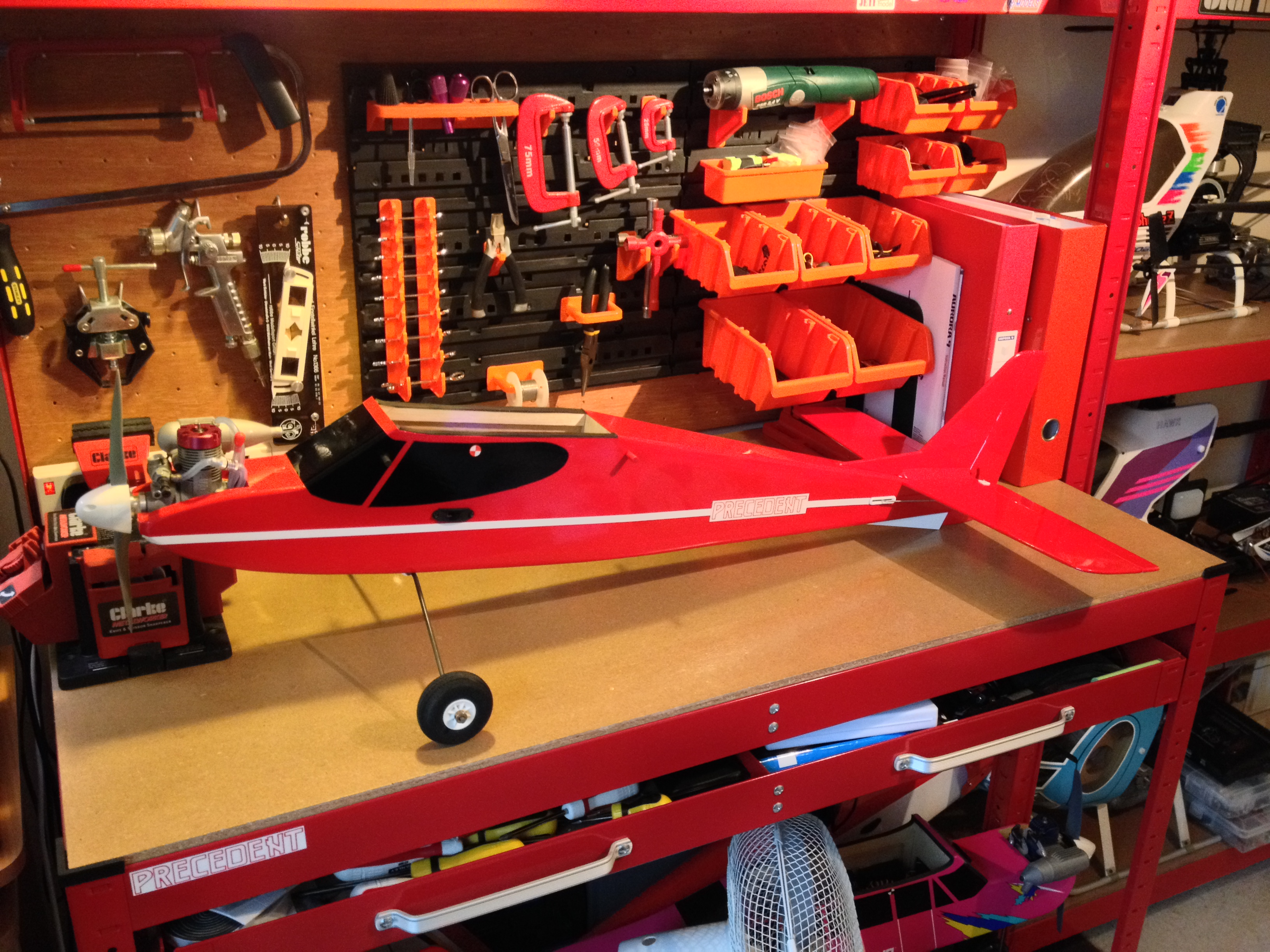
On the bench
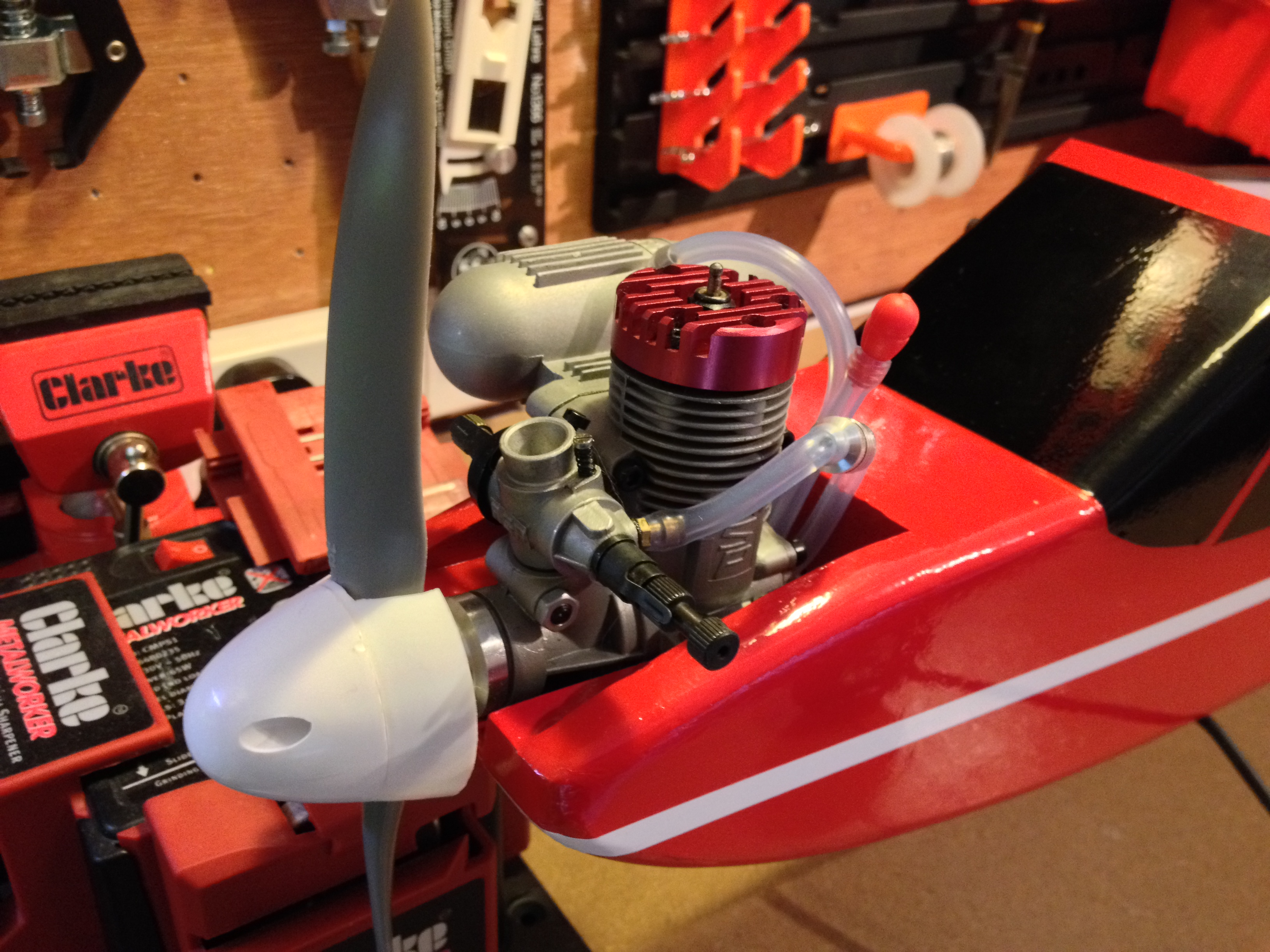
ASP 25A installed in the nose.
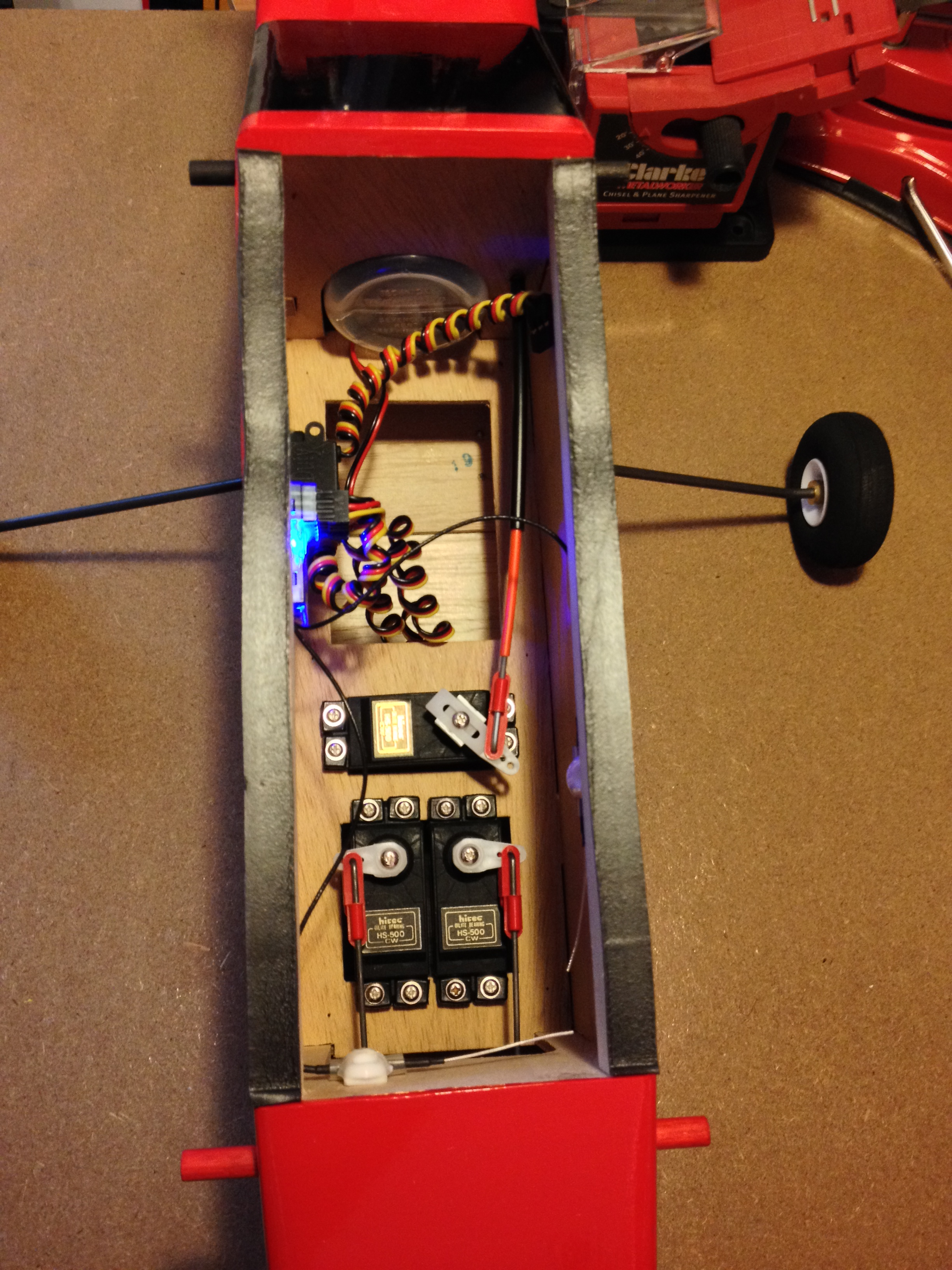
Hitec Minima 6S receiver makes this small fuselage seem cavernous!
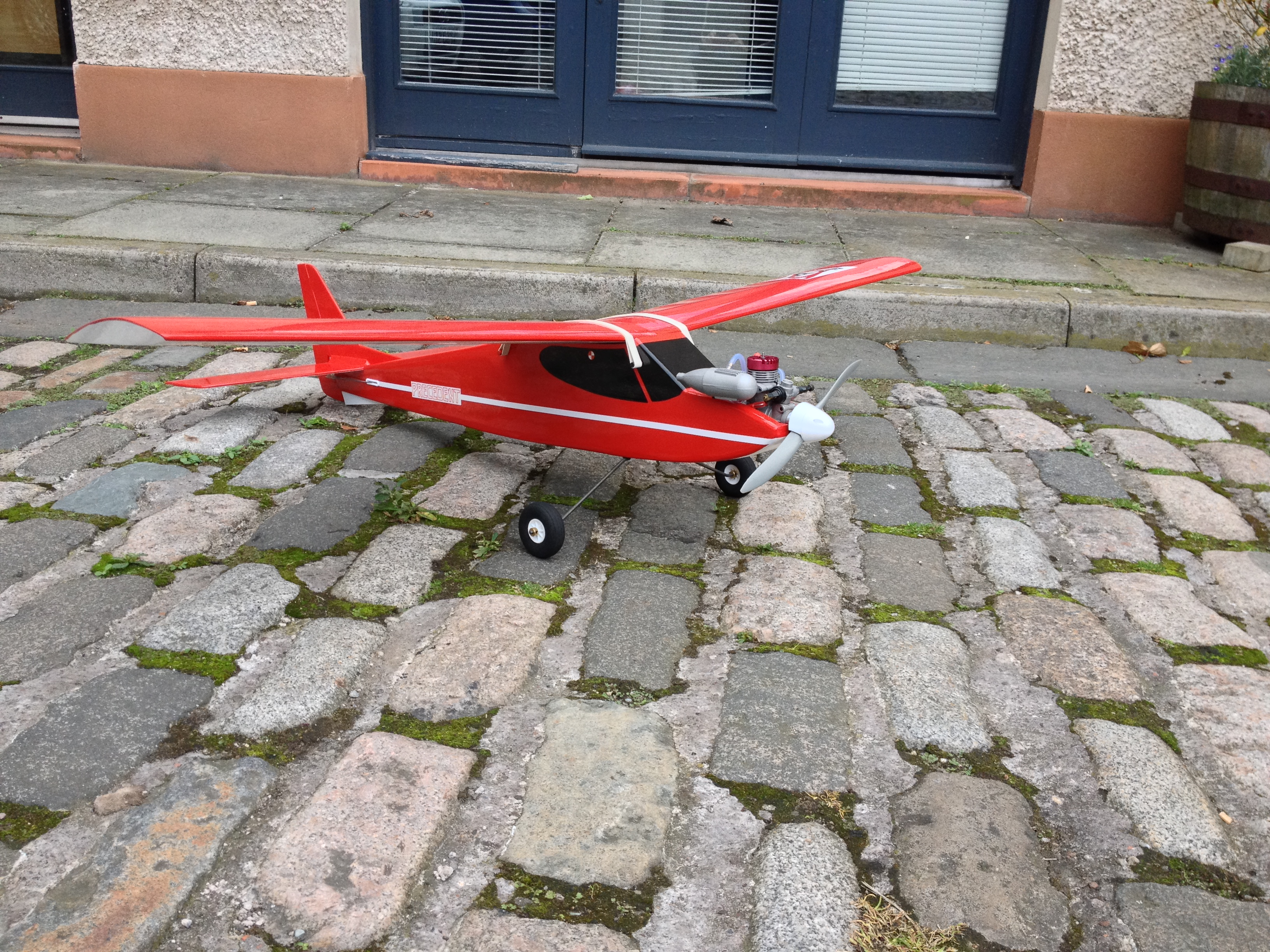
All ready to go
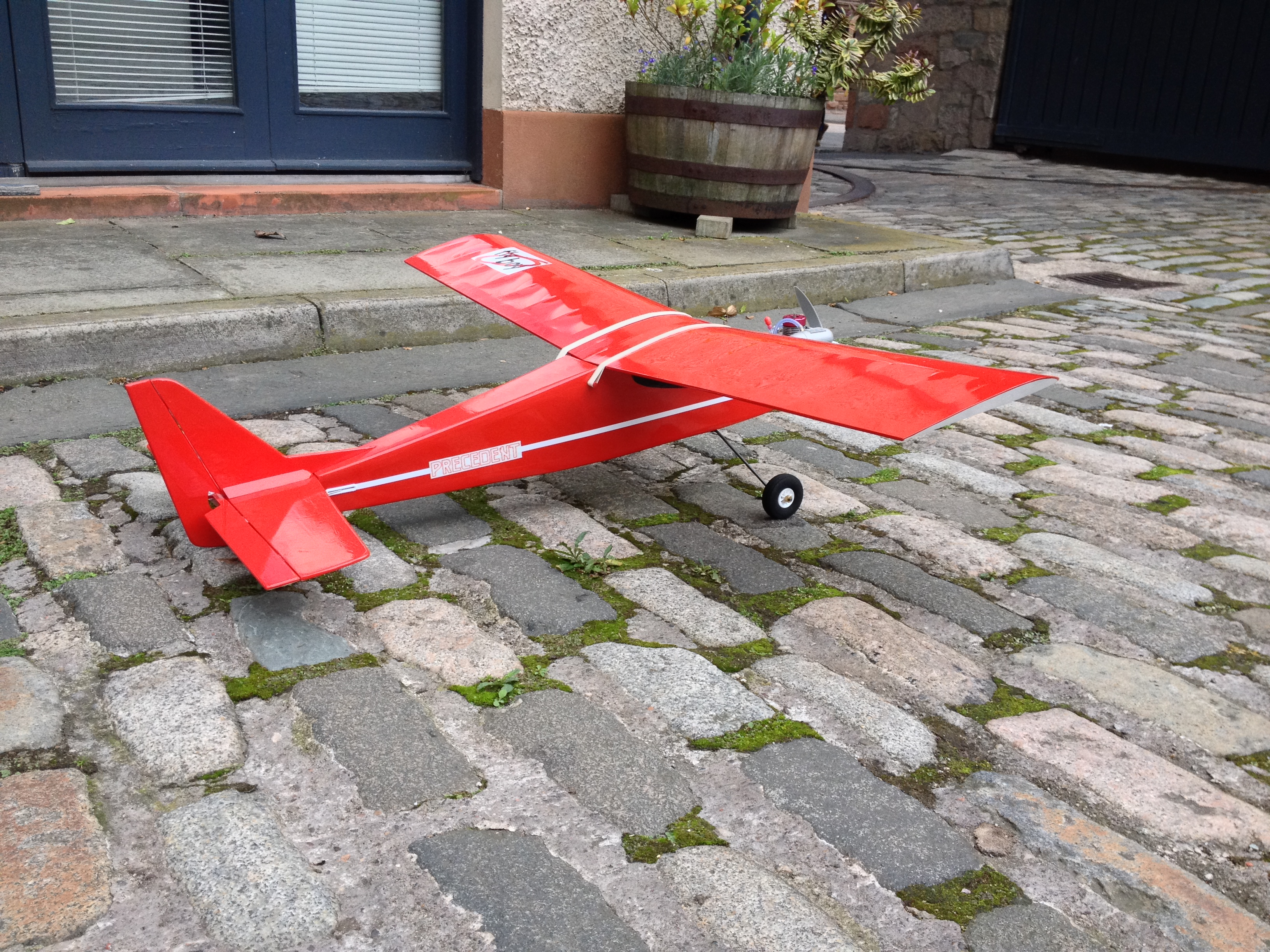
Nothing beats the purposeful look of a tail dragger
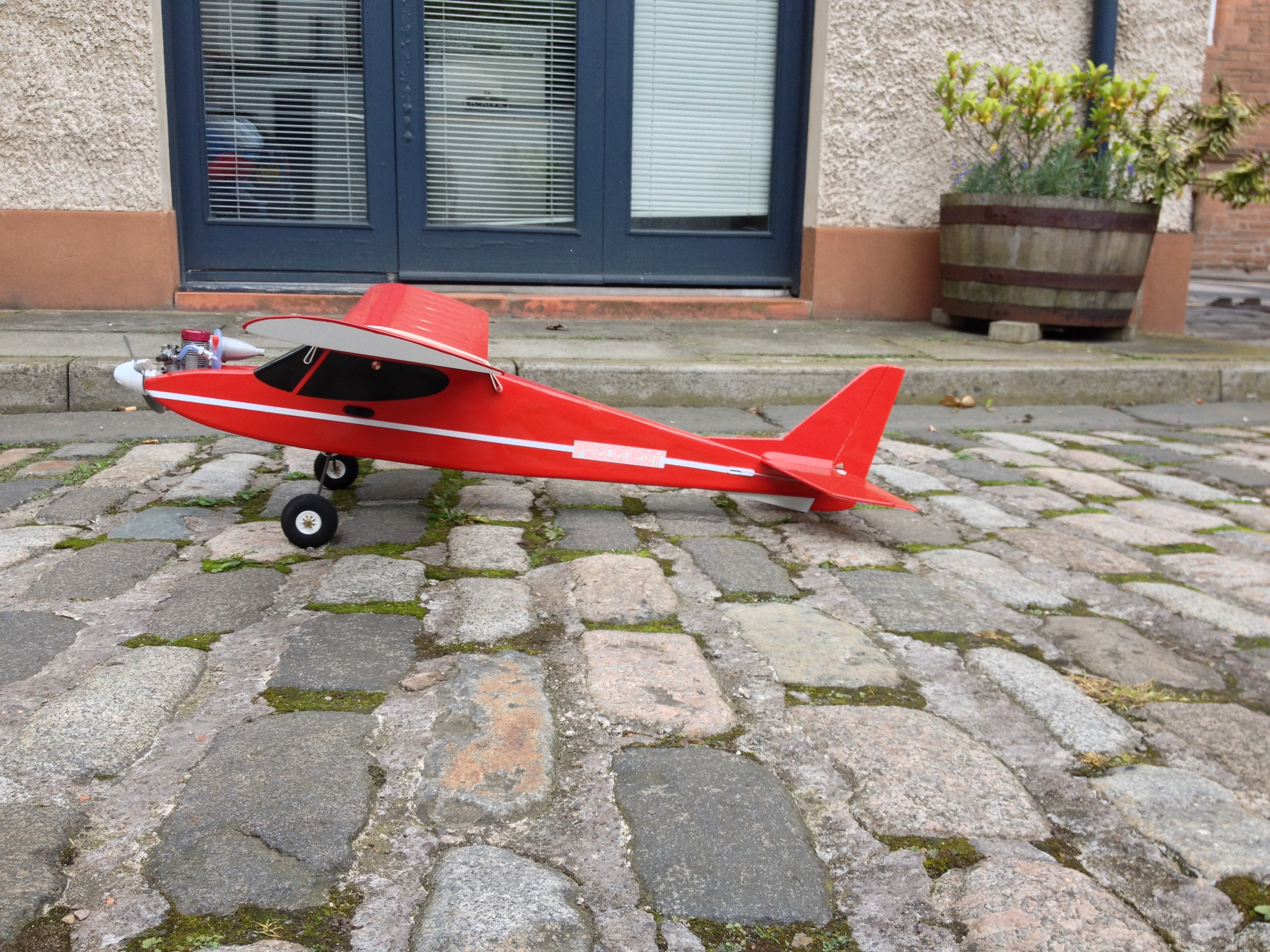
The lower surfaces are covered in white to give a bit of contrast.


 James, Planes and Automobiles